How Literacy Helps Us Understand Each Other's Stories
by Alex Nellis
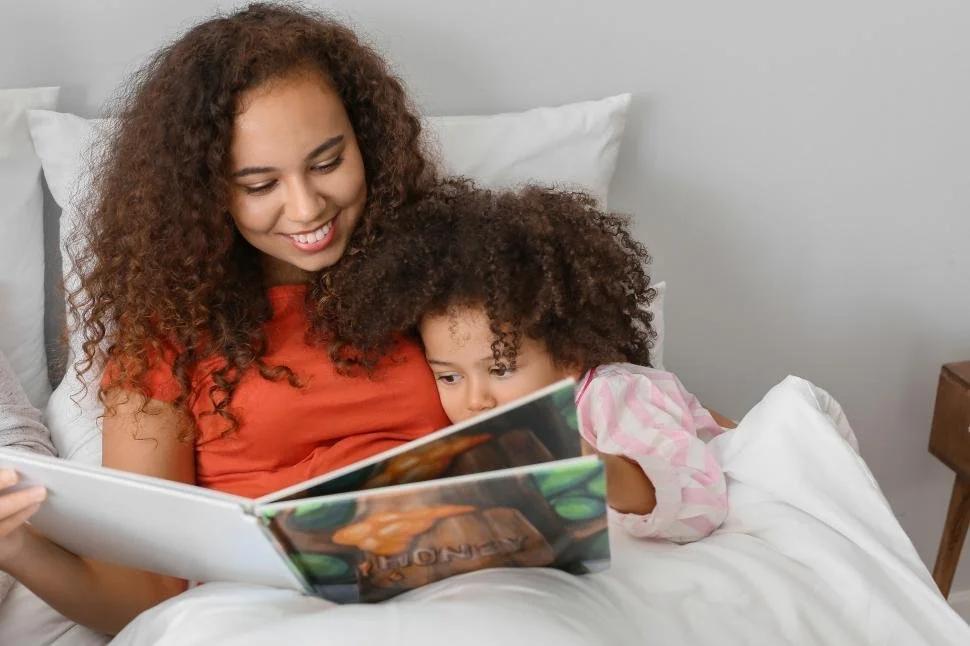
Literacy is a building block for children's development. Literacy improves critical thinking skills, helps with identity formation, and encourages engaged citizenship later in life. Literacy pushes children to connect with characters and stories, which in turn helps them build real-world relationships. Literacy has even been shown to have physical and mental health benefits.
Literacy has so many broader implications in our lives. It helps us engage in the world more fully, and provides the tools to approach life critically. Literacy is a form of magic that gives us the ability to better understand people's stories.
Each month, Planting People Growing Justice hosts our "Leaders Are Readers" event. These events are centered around encouraging literacy, and showcasing diverse representation in literature. Each event features an author spotlighting a children's book with diverse characters.
At one of the recent events, a sampling of PPGJ board members, interns and volunteers were surveyed. They were asked a question centered around the goal of the event: why does literacy matter?
One theme was quick to surface in nearly every response: literacy is a connection to the world. Community educator and author Nancy Loewen elaborates on this idea:
"It comes down to knowledge is empowerment. Literacy means that you're connected to the world of ideas and experiences." Loewen says. "Your world is just so much broader [because of literacy].”
Another board member, Laura Esanbock, expands upon Nancy's perspective in her response. She believes literacy is a vital tool for understanding the world around you.
"Literacy is so important because the world operates assuming that there's common understanding and not having the skills to navigate that jeopardizes the person." Esanbock shares.
A major goal of our Leaders Are Readers program is showcasing diverse authors. Planting People Growing Justice's mission is to promote diversity in books. Diversity in children's books is essential, because it encourages kids of all backgrounds to learn about others.
Kenneth, a community photographer involved with Leaders Are Readers, touches on literacy as a tool for growth in his response.
"Literacy helps you understand everything, and be able to learn and grow." Kenneth says.
Seeing themselves represented in their literature also helps children feel like they belong. Sadly, for many children from underrepresented backgrounds, this isn't the case. Black characters are significantly underrepresented in children's books. A recent survey showed only around 5% of characters in children's literature are Black.
This lack of representation has a major impact on literacy rates. Recent data shows over five million Black students are not proficient in reading at their grade level. This same data also shows that only 14% of Black students are reading proficiently by the end of middle school. This data should be significant cause for concern.
It's important to recognize a major cause of the literacy crisis stems from representation. When children don't see themselves reflected in their books, they are less likely to feel encouraged to read. In turn, this makes them less likely to share their stories growing up. Positive representation increases cultural awareness, and encourages children to take charge of their own stories.
A direct parallel can be drawn from the lack of Black representation in children's books to the lack of published Black authors in all types of literature. A 2022 report suggests that the current number of published Black authors is between 5-7%. The number of Black authors declined 31% in 2020. As of 2026, that number hasn’t significantly changed.
This lack of representation is further showcased by the annual New York Times Best Seller list. In the past 15 years, 35 Black authors in total have made the list. This averages out to one or two Black authors making the list each year, compared to at least a dozen white writers.
One of our recent blog posts, Mirrors, Windows, and Growing Readers, emphasizes that literature has the power to reflect our own lived experiences, and teach us about the stories of others. When Black authors go mostly unrepresented compared to their white peers, it keeps their voices and perspectives down.
The author of the post, Cleo Harrison-Felner, elaborated on this further in her response to the survey. She accentuated that literacy provides the important privilege of having access to vital information necessary to understand the world. It also gives people the opportunity to critically think about that knowledge.
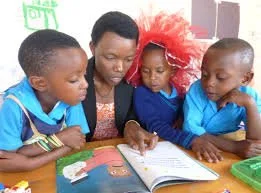
"Literacy allows you to have control of the information you receive, and be able to inform yourself." Cleo shares.
Literacy means so much more than simply the ability to read and write. It is an essential skill for navigating one's broader world. Literacy equips people with the tools to creatively express themselves, and engage with their communities.
PPGJ board member Laura Esanbock emphasized the importance of adults' role in fostering literacy skills in youth.
"It all starts with our youth and ensuring we're providing support to encourage literacy advancement," Esanbock shares.
Literacy has the power to construct our stories about ourselves, others, and the world. Literacy equips children with so many essential tools for learning and personal growth. Andrea Livingston, a community advocate working with Help Me Grow, sums up the takeaway of this post perfectly.
"Literacy is a window to education and knowledge." Livingston says.
It is important to thoughtfully and critically engage with the stories around us. The magic of literacy is that it empowers us to better understand our own stories, and fosters thoughtful engagement with the stories of others.