
The Power of Representation: Why Girls Need to See Themselves in Books
By: Eli Yang
March is Women’s History Month, a time to celebrate the achievements, leadership, and resilience of women throughout history. It is also a time to reflect on whose stories are being told and whose stories are still missing.
For many young readers, the books they encounter shape how they see themselves and the world around them. When girls, especially girls of color, see characters who look like them, share their experiences, and overcome challenges, it sends a powerful message: their stories matter too.
At Planting People Growing Justice, we believe books have the power to plant seeds of leadership, confidence, and social change.
The History of Underrepresentation in Children’s Literature
For decades, children’s books have lacked diversity in both authorship and characters. Historically, most stories centered on white protagonists, while the voices and experiences of women and girls of color were often overlooked or marginalized.
Studies have consistently shown that characters of color remain underrepresented in children’s literature. This gap means many young readers grow up without seeing themselves reflected in the stories they read.
Representation in books is not just about inclusion; it is about visibility, affirmation, and possibility. When girls of color see themselves represented as leaders, creators, and change-makers, it reinforces the idea that they belong in every space. This includes literature, education, and leadership.
Why Diverse Stories Matter for Young Readers
Books do more than entertain. They help children understand who they are and who they can become.
When diverse stories are included in children’s literature, they:
Build confidence and identity
Girls who see characters that reflect their culture, language, and experiences feel validated and empowered.
Encourage empathy and understanding
Stories featuring diverse characters help all readers develop compassion and awareness for different perspectives and communities.
Inspire leadership and imagination
Seeing women and girls overcoming obstacles, leading movements, and creating change encourages young readers to imagine their own possibilities.
Representation allows girls to see that they are not just part of history; they can shape the future.
Recommended Reads for Women’s History Month
This Women’s History Month, we’re highlighting several inspiring children’s books from Planting People Growing Justice Press that center diverse female voices, leadership, and community.
These stories celebrate resilience, courage, and the power of young girls to make a difference.
Books About Women Leaders

Books that highlight strong female leaders help young readers see the many ways women contribute to their communities and the world.
Recommended Read:
Planting People Growing Justice publishes stories that celebrate women who lead with courage, purpose, and compassion. In this inspiring book, Nancy Loewen shares the story of Charlotte E. Ray, who made history in 1872 as the first Black woman to become a lawyer in the United States. At a time when women faced major barriers to education, careers, and equal rights, Charlotte showed incredible determination by pursuing her dream of practicing law.
Through her perseverance and courage, she challenged the limitations placed on women and people of color and helped create opportunities for future generations. Her story highlights the power of resilience and serves as a reminder that bold leadership and belief in oneself can create lasting change.
Find this leadership book here:
https://www.ppgjbooks.com/product/charlotte-ray-trailblazing-lawyer-paperback-/203?cs=true&cst=custom
Books About Justice and Community
Stories about justice teach young readers that fairness, equality, and compassion matter. These books encourage children to think critically about the world and understand the importance of standing up for others.
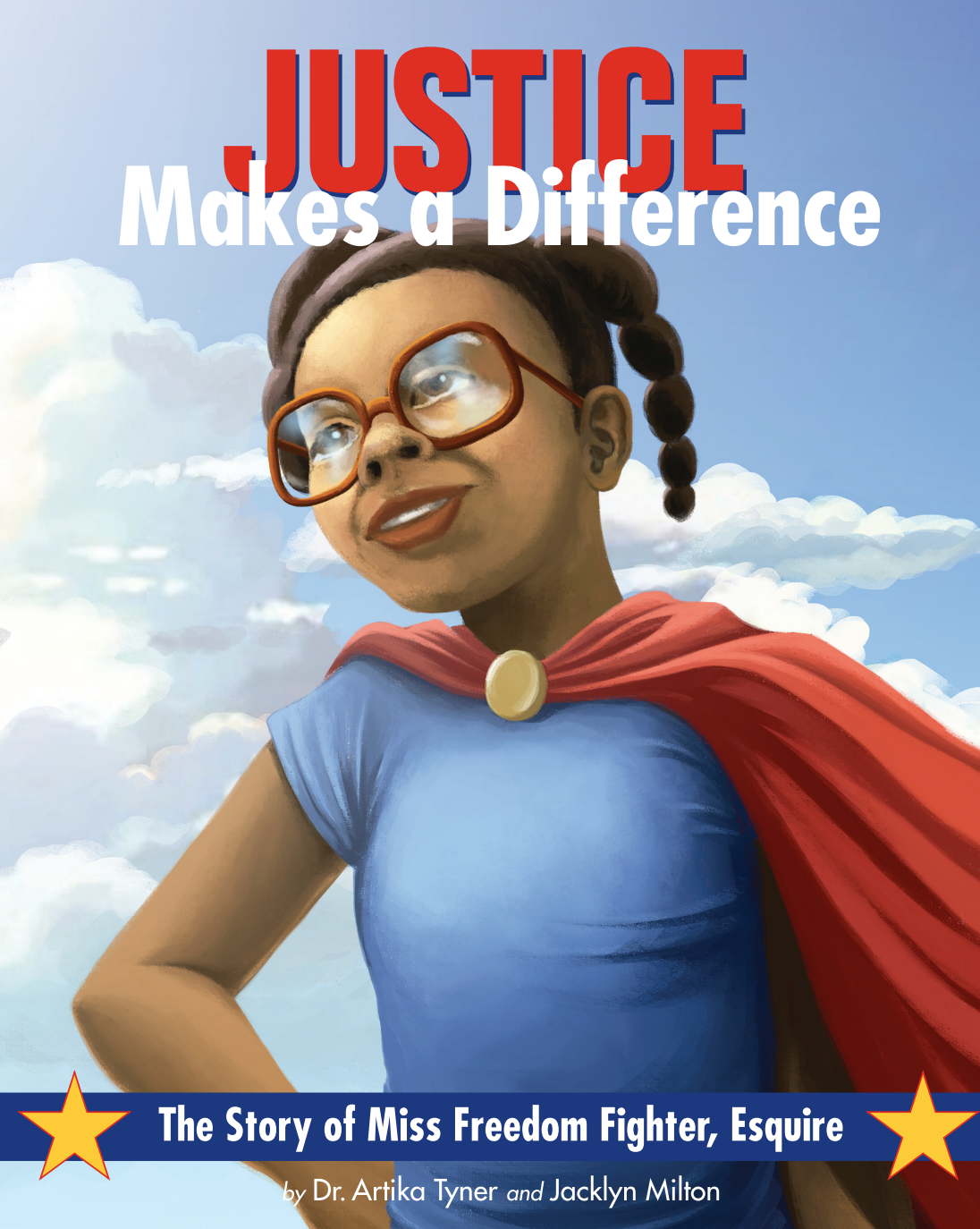
Books centered on community and activism help readers see how collective action can create meaningful change. In Justice Makes a Difference, Dr. Artika Tyner describes Justice growing up watching her grandmother serve their community. She learns that words can be used to help or harm others. Through conversations and books, she discovers inspiring leaders like Ella Baker, Shirley Chisholm, and Ida B. Wells who fought for justice and equality. Their stories encourage Justice to believe that she, too, can make a difference and dream of becoming a future changemaker.
Find this book focused on justice and community here:
https://www.ppgjbooks.com/product/justice-makes-a-difference-hardcover-/1?cs=true&cst=custom
Books for Young Readers
Early representation is especially important for young children. Seeing diverse characters in picture books helps children build identity and belonging from an early age.
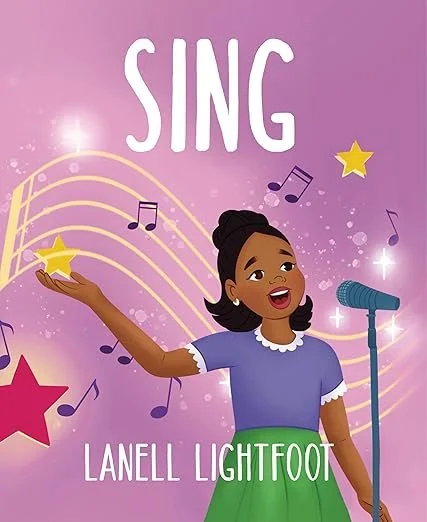
PPGJ children’s books feature characters from diverse backgrounds who celebrate culture, creativity, and leadership. Sing by acclaimed singer Lanell Lightfoot is a joyful picture book that celebrates the magic of music in everyday life. The story follows Lanell, a young girl who fills her days with songs, singing alongside friends, family members, and even her pets. As her voice carries through her community, her music spreads joy and brings people closer together, turning ordinary moments into shared celebrations. With vibrant illustrations and an uplifting message, the book encourages young readers to embrace their creativity and discover the confidence to use their own voices. Sing highlights how music can connect people, uplift spirits, and create a sense of belonging, making it a heartwarming and inspiring addition to any child’s bookshelf.
Find this book for young readers here:
https://www.ppgjbooks.com/product/sing-hardcover-/MNWPGS3RESPOBVXBKC6LNDH7?cs=true&cst=custom
Planting Seeds of Leadership Through Books
At Planting People Growing Justice, we believe that leaders are readers. When children encounter stories that reflect their identities and experiences, they gain confidence in their voices and their potential to make a difference.
Representation in books ensures that every child can see themselves as:
a leader
a storyteller
a changemaker
This Women’s History Month, let’s celebrate the power of stories that uplift girls and women of color, and continue planting seeds for the next generation of leaders.