Three Lessons in Showing Up for Your Community from Debbie Montgomery
by Alex Nellis
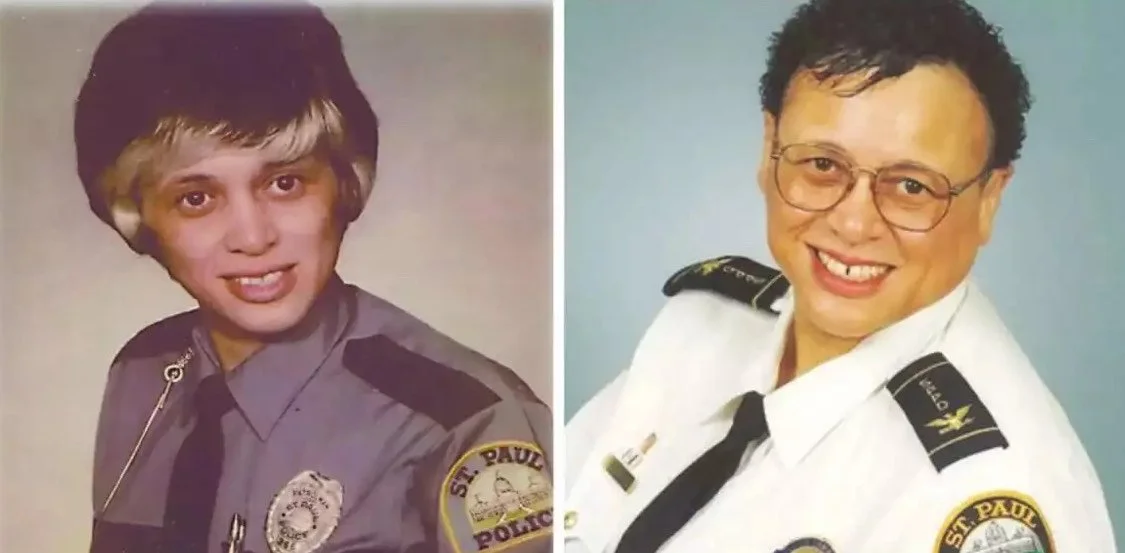
Miss Debbie Montgomery has devoted her life to St. Paul and the Rondo community. As a police officer, sergeant, city planner, youth detention lieutenant, city council member, and teacher in St. Paul, it goes without saying that one of Miss Debbie's guiding principles is serving her community.
In times of increasing division, shared values that bring us together are dwindling. It can feel daunting to see all the political polarization, but the impact of Miss Debbie's career demonstrates the importance of making a difference on a local level. Building community is something that's been important to Miss Debbie since she was young. Today, she frequently speaks to young people about her work. She finds many of them ask a similar question. With so many issues happening in the world, how does one know how to make a difference in their community? This post seeks to answer that question through sharing important lessons that Miss Debbie has learned throughout her career.
What's important to you?
Miss Debbie grew up in the Rondo community in the 1950s. Miss Debbie remembers watching TV with her parents. She saw glimpses of the inequality in the world on the news. One of Miss Debbie's strongest memories is how invested the Rondo community was in the next generation. As a child, she always got the sense that her generation was thought of as the future. This forward-thinking mindset planted a seed of advocating for change.
In watching the news, one particular issue stood out to Miss Debbie: African Americans didn't have the right to vote. While the 15th Amendment technically allowed all citizens the right to vote, many Southern states were able to get around fully observing voting laws. Policies like the Jim Crow Laws made it difficult (and often impossible) for African Americans to vote. Miss Debbie was bothered that African Americans and other minority groups were often the ones disproportionately affected by racist policies. Yet, they had no political rights to support the leaders who would make the world more inclusive.
At only 17 years old, Miss Debbie joined the March for Voting Rights. She walked from Selma to Montgomery with her fellow protesters. This march was exactly the statement that was needed to make a change. The protests directly led to the Voting Rights Act of 1965 being passed by the United States government. This Act made it illegal to deny African Americans the right to vote for any reason.
Miss Debbie believed strongly in voting rights from a young age. When she speaks about her career today, Miss Debbie often asks young people the same question: What’s important to you? In the age of social media and political turmoil, every issue can often feel equally pressing. However, it's important to cut through all the clutter, and realize that you don't have to solve every issue.
Miss Debbie believes only you can determine what issues are important to you. Not knowing what you personally value, or basing your beliefs on other people, does not allow you to authentically show up in your community.
Miss Debbie encourages people to openly and honestly reflect on what their values are. Doing this allows us to better understand how we want to make a difference in the world.
How can you use your unique gifts?
Miss Debbie believes everybody has a unique gift. This is a conversation Miss Debbie often had with young people in her role as a juvenile detention lieutenant. Many of these kids had gone down the wrong path in life. Miss Debbie would ask questions to encourage these kids to understand their own worth. This conversation was framed around the idea of "what do you bring to the table?"
Miss Debbie urges everyone, especially young people, to think about their strengths. Not everyone is good at everything. We all have weaknesses, but we should not let them hold us back from seeing our strengths. Miss Debbie often told the kids she worked with that it's getting them nowhere to focus on what they can't do. It's all about better understanding ourselves, so we can position ourselves to use our strengths in the community.
Miss Debbie also stresses the importance of seeing the full picture. The question is not "what are your unique gifts," but rather, "how can you use your unique gifts?" She finds that many people get stuck on knowing their gifts but not understanding how to use them. Miss Debbie believes that having a practical vision of how you can use your strengths is essential. When we know how we can use our gifts, we can better see what assets we bring to the table.
How can we connect with others to use those gifts?
Miss Debbie believes all of the roles she's held throughout her career have a related thread: she's a connector of people. When she was an officer, Miss Debbie often used the connections she made as a city planner to help those in need.
In interviews, she emphasizes that being a good officer means recognizing that policing is profession of public service, not a correctional profession. Miss Debbie did not go into her police work assuming everyone had the worst intentions. By doing this, she found that the people committing crimes often didn't know how to seek the resources they needed.
Through this philosophy, Miss Debbie realized the gift she brought to the table was communication. Out on calls, she found that communication got to the root of many problems. By engaging with an open heart, Miss Debbie was able to help the people in her community with their issues.
"I finally started using some psychology on them and said, why are you all fighting?" Miss Debbie recounts. "It seems like you don't know how to get help on whatever this problem was that started the fight."
In 2004, Miss Debbie also broke barriers as the first Black woman to ever be elected to the St. Paul City Council. When she was elected, Miss Debbie's first priority was determining what the community needed. She went to neighborhood meetings. She talked to young people. She spoke with senior citizens. It was important to her to get a well-rounded idea of what the community wanted and needed.
From speaking to the community, Miss Debbie discovered that they wanted the Jimmy Lee Recreation Center to get the repairs it needed. The seniors wanted more housing. The Black-owned businesses were struggling, and needed better support from the city so they could thrive. The community was lacking jobs.
Miss Debbie brought these concerns to her city council members. She communicated to them that these issues transcended labels of red or blue. From talking with her community, Miss Debbie knew that resolving these issues would benefit everybody. With her council members, she was able to set up supports to help solve these issues in ways that improved the community as a whole.
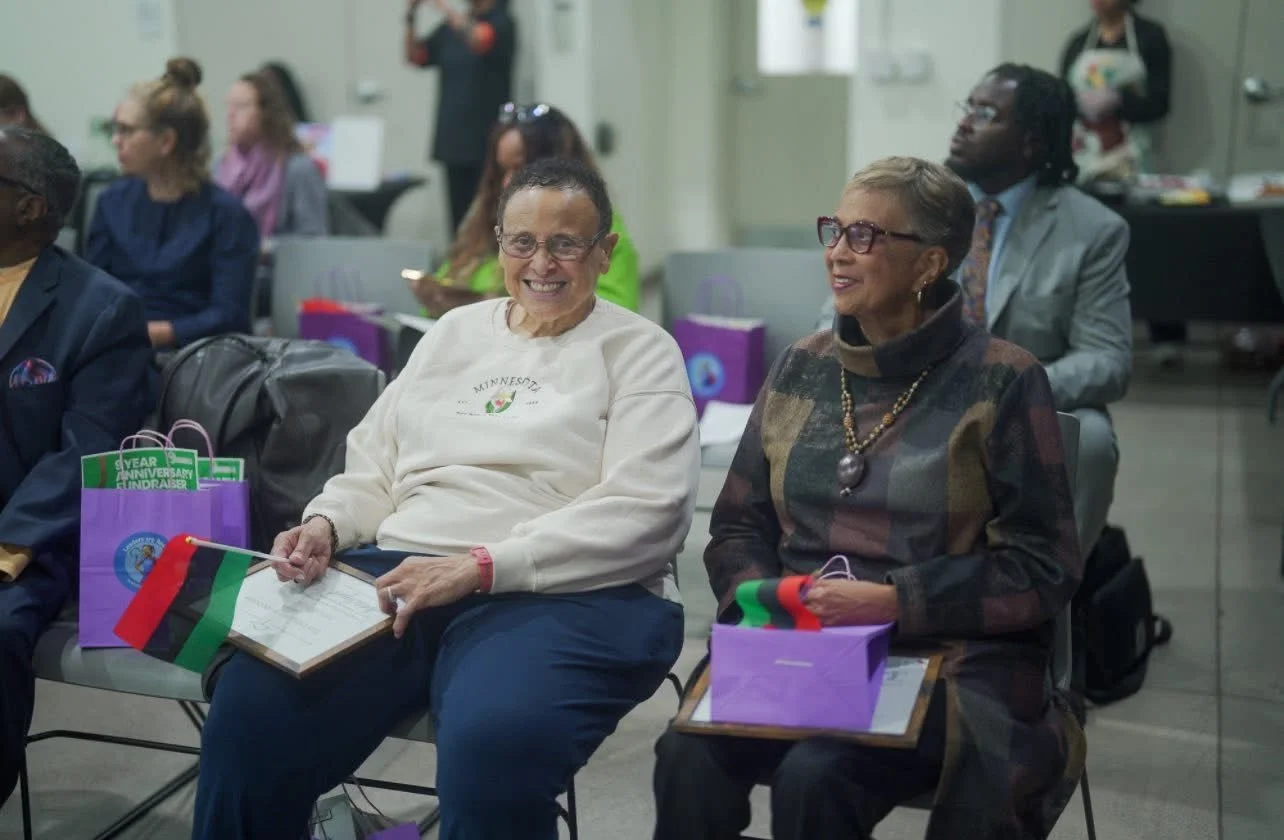
Both of these stories demonstrate to the core of Miss Debbie's philosophy. As an officer, city council member, and community servant, Miss Debbie used her strengths to build connections with others. She encourages others to ask themselves how they can use their unique strengths to show up for their community.
Seeing all of the issues in the world can feel daunting. While national issues are important, too often we forget about the power of making a difference in our local communities. Miss Debbie believes that everyone has gifts they can offer others in their community.
Miss Debbie's philosophies perfectly illustrate Planting People Growing Justice's RISE Leadership framework. Showing up with respect for others, and integrity for one's values is how strong communities can be built. Miss Debbie's story shows us the necessity of having self-awareness for the gifts you bring to the table. Most importantly, Miss Debbie's legacy demonstrates the importance of engaging with your community with an open ear. Together, all of these qualities allow you to serve your community as your most authentic self.
Check out the Planting People Growing Justice Leadership Institute website for more information about our programs and services. Follow us on social media for updates about the project at Planting People Growing Justice Leadership Institute.