
The Groundbreaking Political Career of Shirley Chisholm
by Alex Nellis
In 2024, Kamala Harris made history as the first woman of color to serve as a presidential candidate for the Democratic Party in the United States. However, there is a far less discussed candidate who ran for the Democratic presidential nomination decades before her.
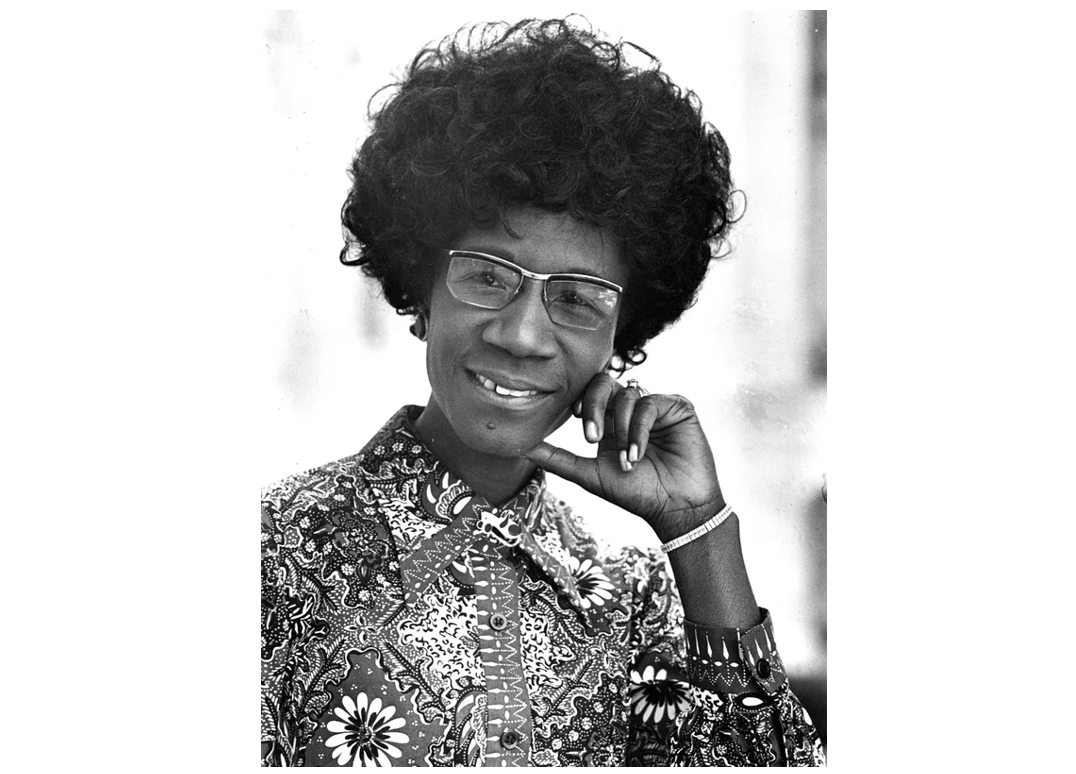
Shirley Chisholm was the first Black woman candidate to run for president. To say this was her only legacy would be a significant oversight. Shirley was also the first woman to be elected to the U.S. Congress. In 2015, Shirley was awarded the Presidential Medal of Freedom. Not only did Shirley make history, but she also continues to be an inspiration to so many.
Planting People Growing Justice is proud to have recently published Shirley's story. Shirley Chisholm: Champion for Change by Dr. Tonya Allen highlights her inspiring journey. The book is a part of our Difference Makers series, which seeks to highlight transformative Black leaders and their legacies. This post delves into Shirley's legacy, discussing her early inspiration, her career as a political activist and House of Representatives member, and candidacy for president.
Shirley Chisholm was born in 1924. She was born in Brooklyn, New York, but lived in Barbados for some of her early childhood. When she was 11, she would move back to spend the rest of her childhood in Brooklyn. She was a natural student who was passionate about education. She majored in Sociology at Brooklyn College, where she studied society and its resources. She became passionate about activism from her studies, and joined the Harriet Tubman Society. The society ignited her interest in social change, which she already had a strong foundation for from her parents' upbringing and the African American Studies courses that she'd taken. She would later go on to get a master's degree in early childhood education at the University of Columbia-Berkeley.
Shirley started her career working at a Child Care Center. Her Sociology background had prepared her excellently for this work. However, she wanted to keep politics and social activism in her life. She joined the Bedford-Stuveysant Political League (BSPL), where she helped campaign for candidates who fought for civil rights issues. Shirley was a proud part of the group for five years. In 1960, she also helped to found a similar political group, the Unity Democracy Club.
In 1964, Shirley felt a calling for a more direct change-making role. She decided to campaign for a seat in the New York Assembly, and was successful in winning the seat. In this role, she fought for Black representation on assemblies in the committee. She also fought to end the state literacy test's English requirement, arguing that it was discriminatory. In addition, she successfully advocated for domestic workers to receive unemployment benefits.
Shirley's successes encouraged her to run for the House of Representatives in 1968. Under the campaign slogan "unbought and unbossed," Shirley showed voters that she was a value-driven candidate who would advocate for all people. Shirley's authenticity resonated with voters, and she was elected to Congress. She was the first-ever Black woman to be elected to the House of Representatives.
In the early part of Shirley's term, she worked with Senator Bob Dole to expand the food stamp program. She briefly worked on the Veteran's Affair Committee, but was eventually moved to the Education and Labor Committee, which was her favorite of the committees.
Throughout her career, Shirley faced discrimination for being a woman. She was determined to use her platform to help combat this. She hired a staff of young women to elevate female voices into the political world.
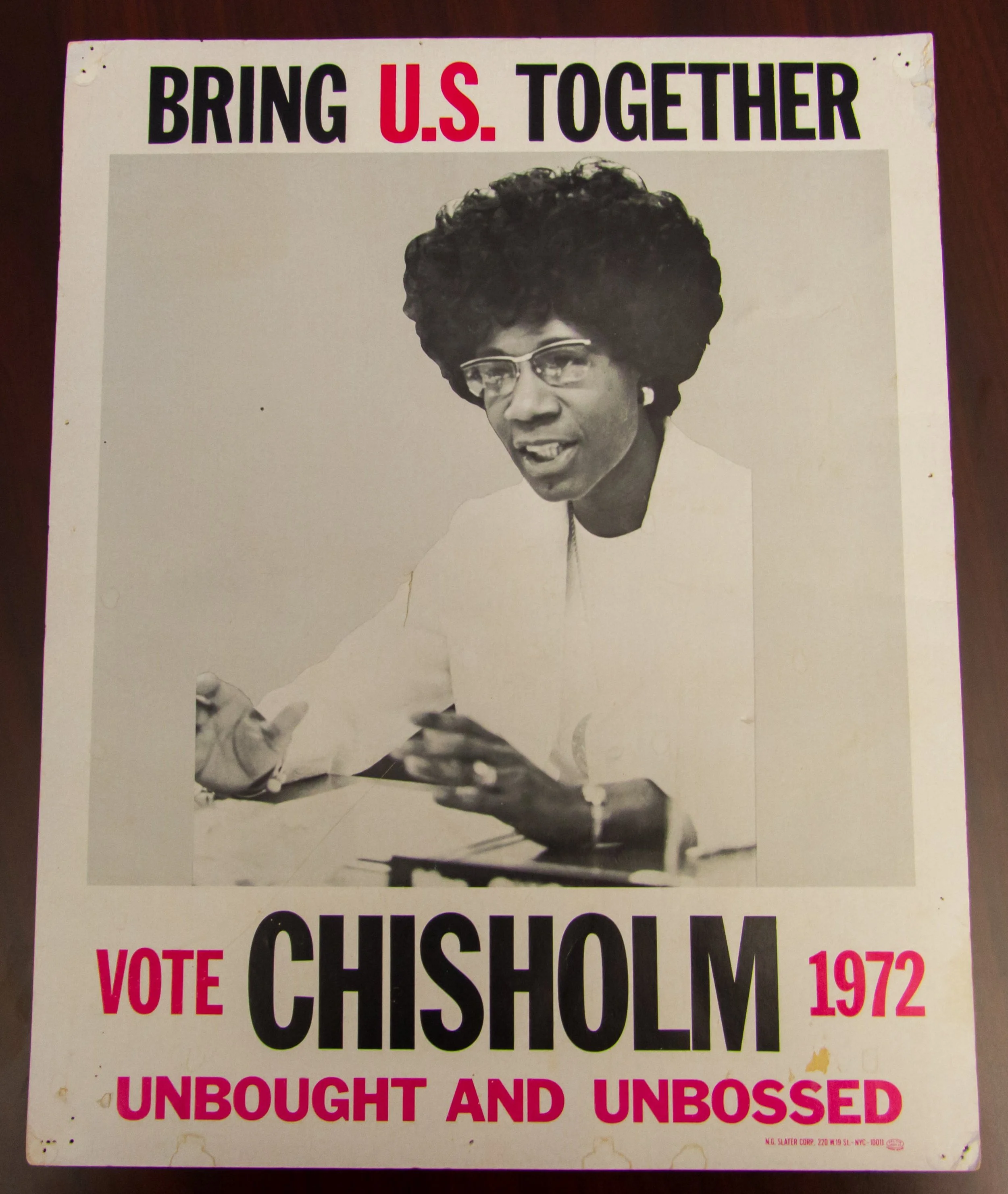
In 1972, Shirley decided to run for president with an emphasis on women's rights. No black woman had ever sought the Democratic Party's nomination before. A large part of her campaign was highlighting the issues women faced. However, Shirley was adamant that she didn't want people to view her as "the Black candidate" or "the woman candidate." She wanted people to listen to her ideas, rather than becoming a token political figure representing her identities.
She was quoted as saying: "I am not the candidate of Black America, although I am black and proud. I am not the candidate of the women's movement of this country, although I am a woman and equally proud of that. I am the candidate of the people."
Shirley wasn't able to get the nomination, likely due to many voters viewing her feminist and racially-inclusive ideas as "too radical." However, she didn't let this stop her from continuing to advocate for women's rights. In Congress, she fought for the Equal Rights Amendment. In 1973, her speech at a conference provided some early awareness of intersectionality, coining the term "double discrimination." In 1977, Chisholm was chosen as the Secretary of the Democratic Caucus. She held this position for two terms until 1981. Staying true to her sociology background, Chisholm fought to increase government spending in health care, education, and other social services. She was also a strong advocate for indigenous land rights.
In 1982, Shirley retired from Congress. However, she was determined to remain active in fighting for social change to a more limited extent. She campaigned for a few more candidates throughout the 1980s and gave speeches at colleges about her work. She strongly encouraged college students to be socially engaged, famously saying, "If you don't accept others who are different, it means nothing that you've learned calculus."
In 1993, President Bill Clinton nominated her to be the United States Ambassador to Jamaica. However, she was forced to decline his nomination due to health issues. However, Shirley would still receive recognition that year for her inspirational career. She was inducted into the National Women's Hall of Fame.
All these years later, Shirley's inspiring legacy is far from forgotten. In 2015, Shirley was posthumously awarded the Presidential Medal of Freedom by President Barack Obama and Vice President Joe Biden. Later, during his own presidency, Joe Biden awarded her the Congressional Gold Medal in 2024.
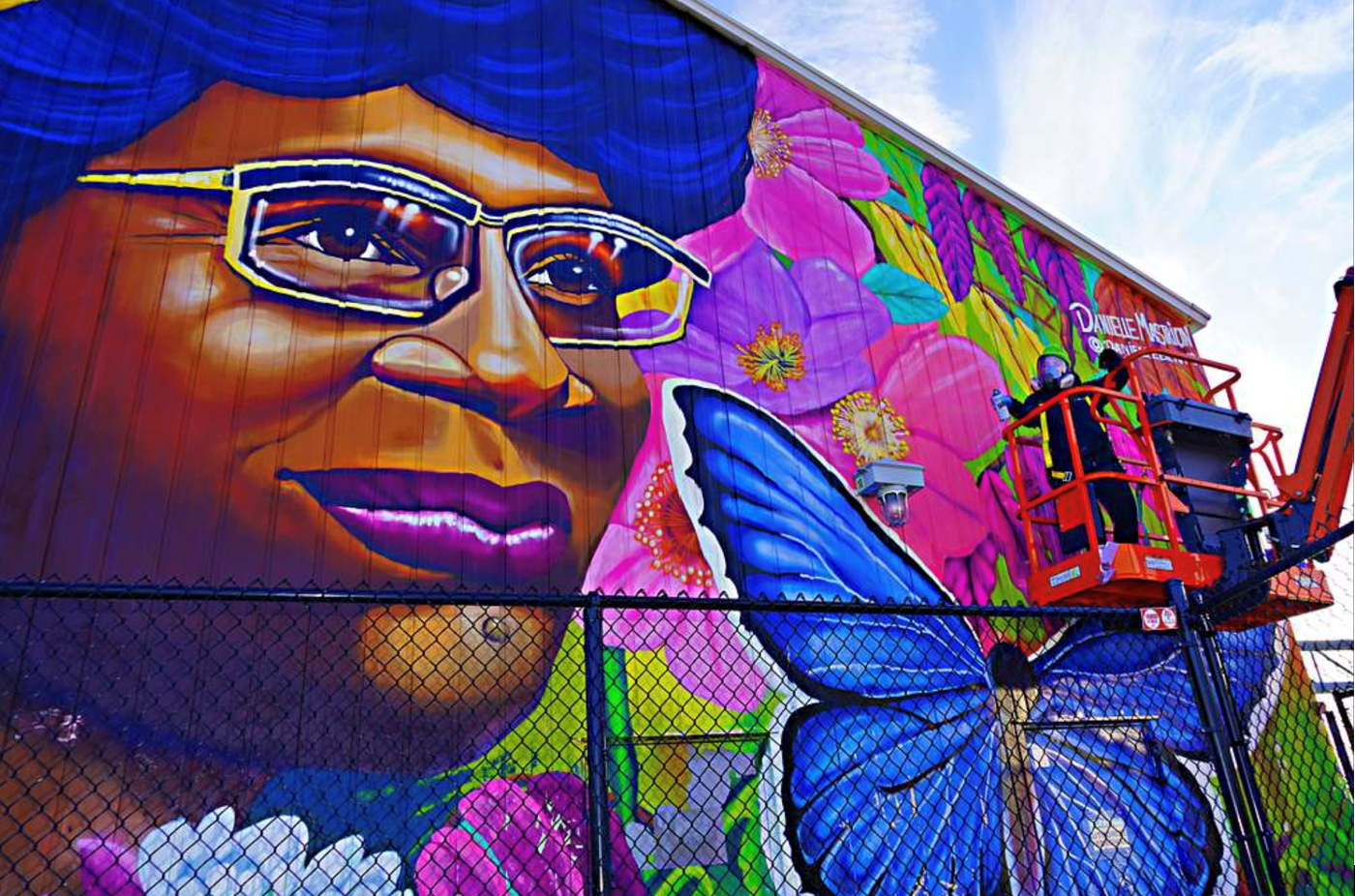
Shirley was a champion for feminism and African American rights. The impact of her incredible efforts in Congress are still felt today. Her legacy continues to serve as an inspiration for women leaders around the world. Perhaps her most profound impact was showing everyone that she was more than a token candidate fighting for women's or African American rights simply because of her appearance. Shirley was a value-driven activist who fought for a more inclusive world for everyone.
Check out the Planting People Growing Justice Leadership Institute website for more information about our programs and services. Follow us on social media for updates about the project at Planting People Growing Justice Leadership Institute.
Read more about Shirley's life through the Planting People Growing Justice's biography, Shirley Chisholm: Champion for Change by Dr. Tonya Allen.