
Empowering Young Muslim Girls and Embracing Differences : An Exclusive Interview with Sowda Mohamed
By Angelica Amador
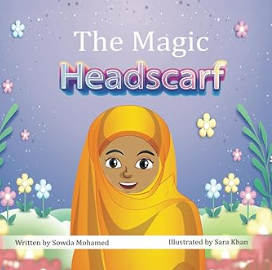
Sowda Mohamed makes her authorial debut with “The Magic Headscarf,” a story about a young girl named Anzal who struggles with wearing her headscarf because of outside forces. This story, inspired by the negative experiences of Mohamed herself and those around her, rewrites their narrative.
ANZAL AND THE REAL PEOPLE WHO INSPIRED HER
What/who inspired you to write The Magic Headscarf and Anzal?
“The idea came to me years ago. I was inspired by my niece, who didn’t want to wear her headscarf because of teasing at school. I saw myself in her. Later, when I had my first daughter during COVID, it became personal. I wanted girls like them to feel proud of who they are. The story shows that true belonging starts with staying true to yourself.”
DIFFERENCE IS BEAUTIFUL
Anzal struggles with wearing the headscarf due to outside opinions. What inspired this theme?
“This theme resonated with me because I’ve been in that same position as a young girl. I wanted young
Muslim girls today to have books that represent them. Anzal’s story shows that being different is beautiful, and you should never change who you are just to fit what others expect.”
EMPOWERING YOUNG READERS
What lessons do you want kids to take from Anzal’s journey?
“I want kids to take away empathy, self-love, and confidence from Anzal’s journey. I hope they relate to her experiences, feel proud of who they are, and learn that being different is something to celebrate.”
ADVANCING PPLJ’S GOALS
How does your book align with PPGJ’s goal of promoting literacy and diversity?
“My book connects with PPGJ’s goal because it gives young Muslim girls strength and a voice to believe in themselves without fear. It also helps other kids see that being different is okay, and that our differences make the world more beautiful and inclusive.”
DIVERSITY AS A TOOL
What is the importance of diverse storytelling?
“Diverse storytelling is so important because it breaks stereotypes, gives representation, and builds confidence in children who might not see themselves in books. It also teaches empathy, helping all kids appreciate and respect different experiences and stories.”
LOOKING AHEAD
What does the future of literature look like, and how is your story part of that change?
“I hope the future of literature is full of stories where minority kids can see themselves and have role models they relate to. We need more inclusive books in the mainstream, and The Magic Headscarf is part of that, showing young girls that they can be proud of who they are and celebrating diversity for all readers.”
REPRESENTATION IN BOOKS
As a mother and early childhood educator, Mohamed knows well the power that books hold for children. They teach children what we know about the world and how we should treat each other in it. That is why representation in books matter, because when a child sees someone who looks like them in a story, they understand that they have a place in the world. In The Magic Headscarf, Mohamed is telling young Muslim girls not only that they have a place, but that they deserve to take up that space exactly as they are. In Anzal, they can see themselves, and if they ever struggle to wear their headscarves like Anzal did, they will remember the strength and belonging she felt once she decided to wear it despite anyone else’s opinions. Representation means role models, and role models show children all that they can be!