
100 Years of Black History Month: Spotlighting the Legacy Behind the Celebration
by Alex Nellis
Each year, America dedicates February in honor of spotlighting Black history. This year's Black History Month is a particularly special one. February 2026 marks the 100 year anniversary of the origins of Black History Month.
Black History Month was created in 1926 by Dr. Carter G. Woodson. Dr. Woodson was a strong advocate for African American rights. His work with African American activism began in 1915. Dr. Woodson traveled to Chicago to participate in a 50th anniversary celebration of African Americans' emancipation from slavery.
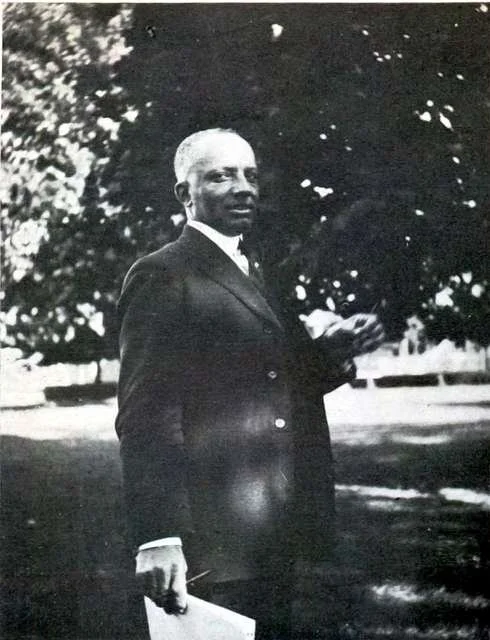
Dr. Carter G. Woodson
The celebration ignited a spark in Dr. Woodson. He wanted to get more involved in activism for African American rights. On September 9, 1915, Dr. Woodson met with four colleagues to form Association for the Study of Negro Life and History (ASNLH). Feeling disheartened by the lack of documentation of Black history at the time, he began publishing the Journal of Negro History. The journal sought to disseminate information about African American history.
After nine years of running the organization, Dr. Woodson enlisted some of his college fraternity brothers from Omega Psi Chi. To further raise awareness of Black history, they created Negro Achievement Week. The week was meant to celebrate Black achievements, which he felt largely went unnoticed in society.
In 1926, Dr. Woodson wanted to expand this idea to focus on more than just achievements. He felt that it was essential for people to have a deeper understanding of all moments in Black history and culture. In his journal, he wrote an article announcing Negro History Week.
Dr. Woodson chose the month of February to commemorate the birthdays of civil rights pioneer Fredrick Douglass, and 16th president Abraham Lincoln. Prior to Dr. Woodson establishing Negro History Week, African Americans commonly celebrated Douglass and Lincoln's birthdays as holidays. They were revered as two of the most prominent figures to advance civil rights for African Americans. Dr. Woodson felt that connecting the week to existing celebrations increased the chances of the new tradition sticking.
In 1937, Dr. Woodson established The Negro Bulletin with Mary McLeod Bethune. This helped the week gain recognition beyond Black communities. As word spread, progressive-leaning whites and other cultures joined African Americans in celebrating the week.
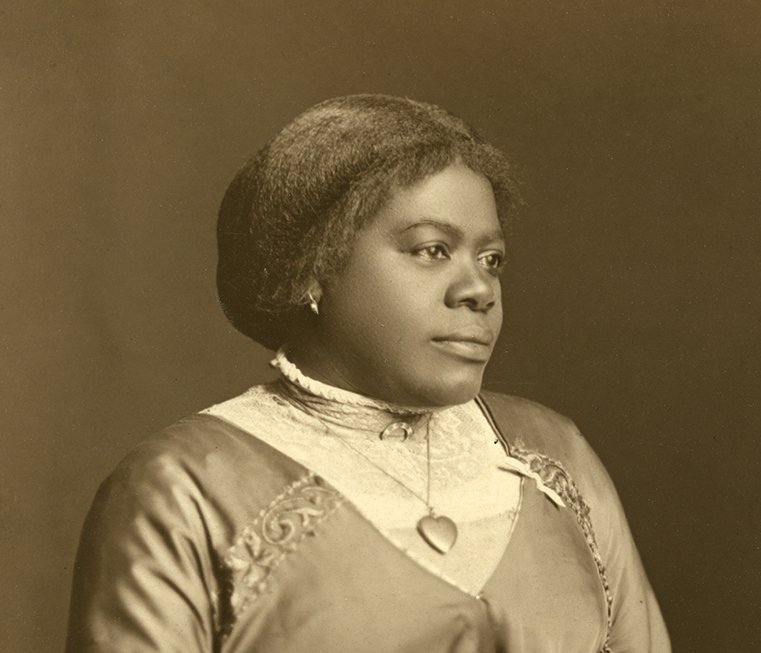
Mary McLeod Behthune
In the 1960s, the civil rights movement saw increasing success. The decade saw a significant uptick in support for Civil Rights efforts. With the increased awareness and activism, the week was expanded to a full month. This was a cultural shift that slowly happened over time. As terms changed with the times, the month's name was also changed to Black History Month. Similarly, Dr. Woodson's organization changed its name to the Association of African American Life and History (ASALH).
In 1968, the U.S. government took notice of the month's prominence. Congress officially recognized the month through passing Public Law 99-244. This recognition has been transformative for the month. It is what has allowed Black history to be observed in libraries, museums, schools, and many more public places.
In 1976, during the United States Bicentennial Celebration, President Gerald Ford issued an official message about Black History Month. This was a trend that would continue with most presidents until recently, which allowed the holiday to become an official American institution. Dr. Woodson's organization, the ASALH, helped finalize the shift from a week to a full month.
Each year, the ASALH continues to host a special celebration of the month with a different theme. For the 100th Black History Month, the ASALH encourages people to explore Black history's impact on transforming the social and cultural status of Black communities in a contemporary world.
100 years later, the celebration of Black History Month has outlived Dr. Woodson. When he first conceptualized the week, his goal was to illustrate the essentiality of recognizing Black contributions to American history and culture. Dr. Woodson could not have imagined the legacy that his idea would have.
Dr. Woodson sought to transform how the world viewed Black culture. He wanted to show that Black history is American history. Black stories are just as important as the traditionally white stories that are spotlighted in most history textbooks.
As we celebrate the milestone 100th anniversary of Black History Month, it is important to do more than simply learn about little-known moments in Black history. It is a time to learn about Black accomplishments, read books by Black authors, consume media by Black artists, support Black-owned businesses, and reflect on the importance of Black contributions to our society. While February is a time to celebrate Black contributions, the month also demonstrates the importance of uplifting Black stories all year round.
Check out the Planting People Growing Justice Leadership Institute website for more information about our programs and services. Follow us on social media for updates about the project at Planting People Growing Justice Leadership Institute.
Planting People Growing Justice's 100 Black Authors campaign has the goal of publishing 100 Black authors by 2033. Check out the campaign's page on our website to see how you can support our vision.
If you’re looking for other ways to inspire the next generation of Black writers, readers and creative thinkers, check out Planting People Growing Justice's monthly Leaders Are Readers event. The event is the first Saturday of each month from 11 am - 1 pm at Jimmy Lee Recreation Center.